

Royat-Al-Ebitkar International School
A SEND school with empathy towards its Arabian context. A homely, natural and safe environment for all.
Client: Arrand Engineering Consultants for The Al Murjan Group
Location: Jeddah, Saudi Arabia
Context: New-build school plot on a cleared urban site adjacent to the MOE HQ
Project type: International school with a focus on neurodiverse learners
Status: Concept and schematic design complete, handed over to local delivery team
Our role: Experience strategy, campus masterplanning, architectural concept and façade design, environmental strategy support
Collaborators: Kampus International, Arrand local multidisciplinary engineer and delivery team
Brief
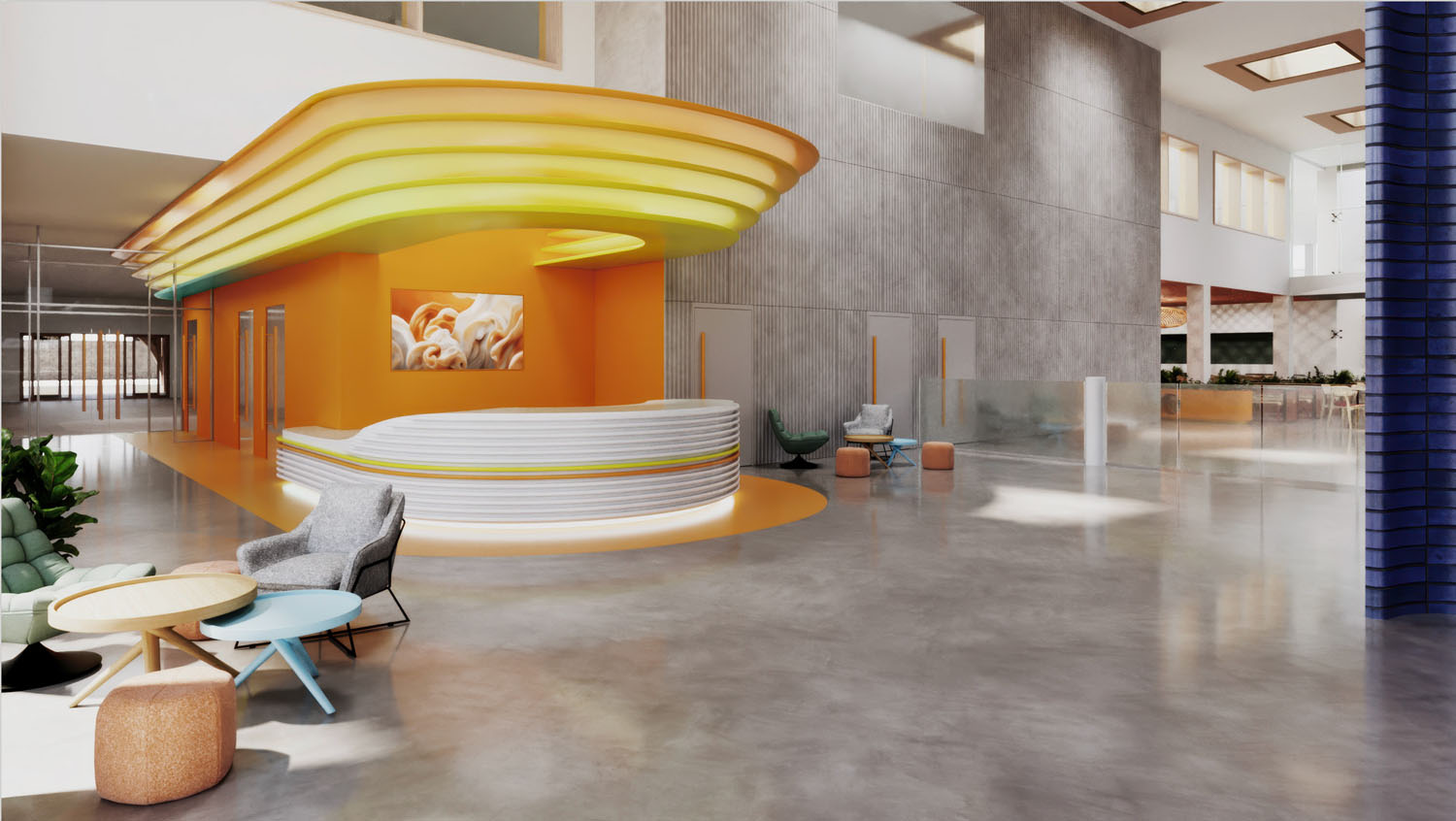
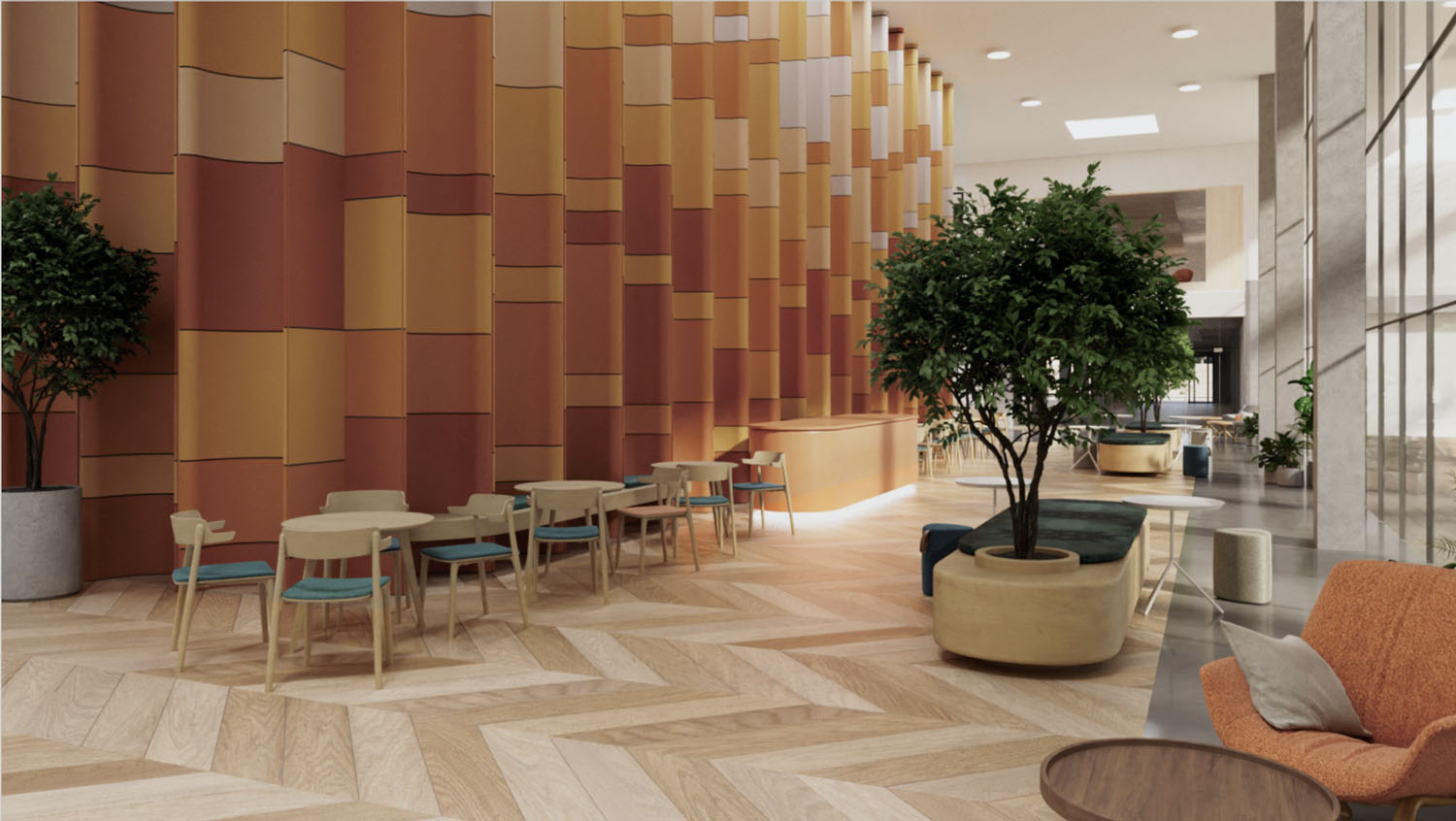
Our client set out to create a new international school in Jeddah that would feel calm, welcoming and inclusive, particularly for students with mild to moderate autism or ADHD. The brief called for a campus that balanced clarity and structure with warmth and softness, responding to both neurodiverse needs and the realities of Jeddah’s climate and culture.
Analysis | What we found
The site was a large, flat plot within the expanding urban fabric of Jeddah. With no inherited buildings or landscape features, the challenge was to create a strong sense of place from scratch. With the Middle Eastern location, the climate is intense, with high temperatures, strong sunlight and the need for privacy shaping how buildings are experienced. At the same time, the school’s brand and educational ethos leaned toward joy, openness and accessibility rather than formality.
Proposition | Experience-led campus planning
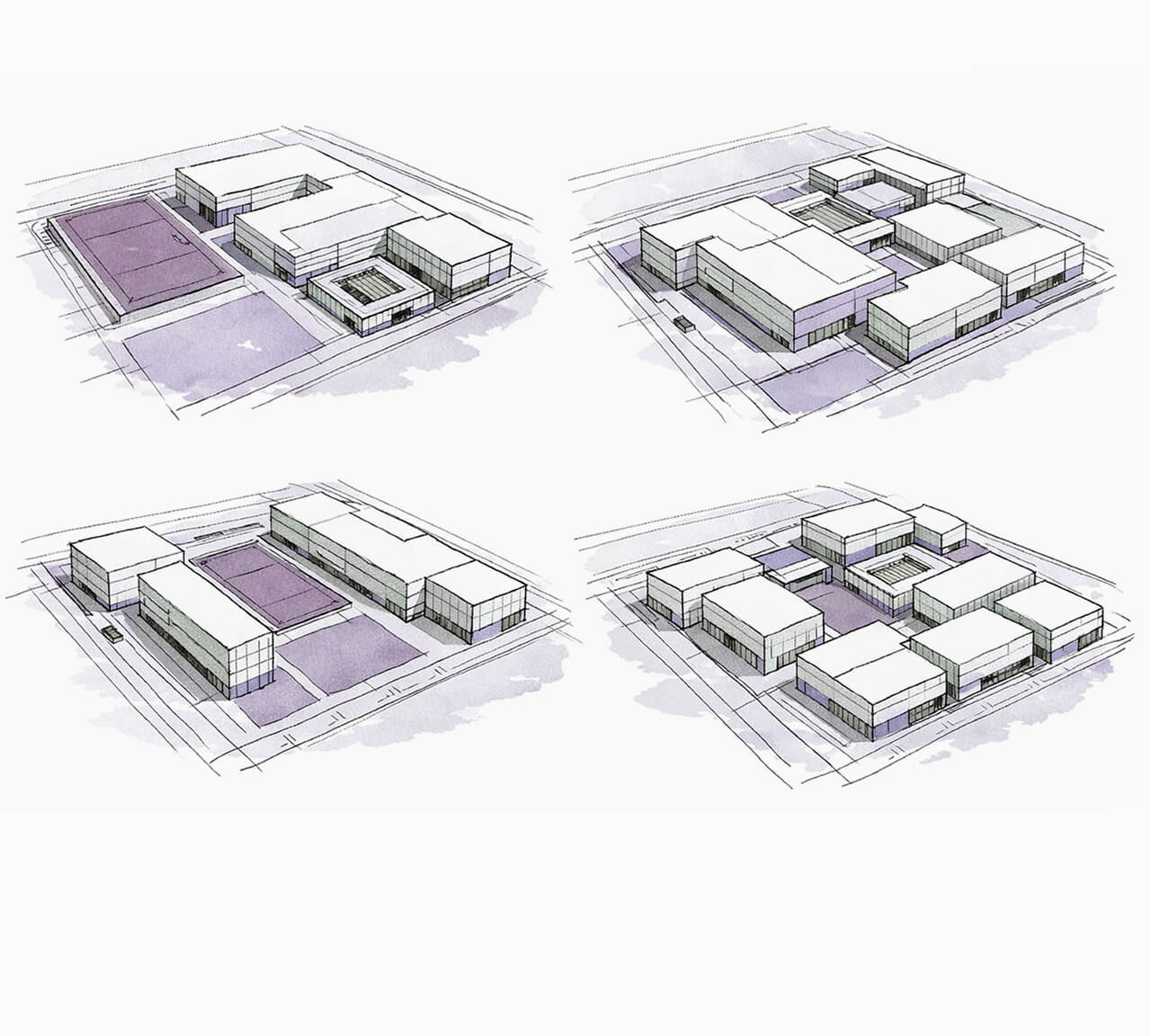
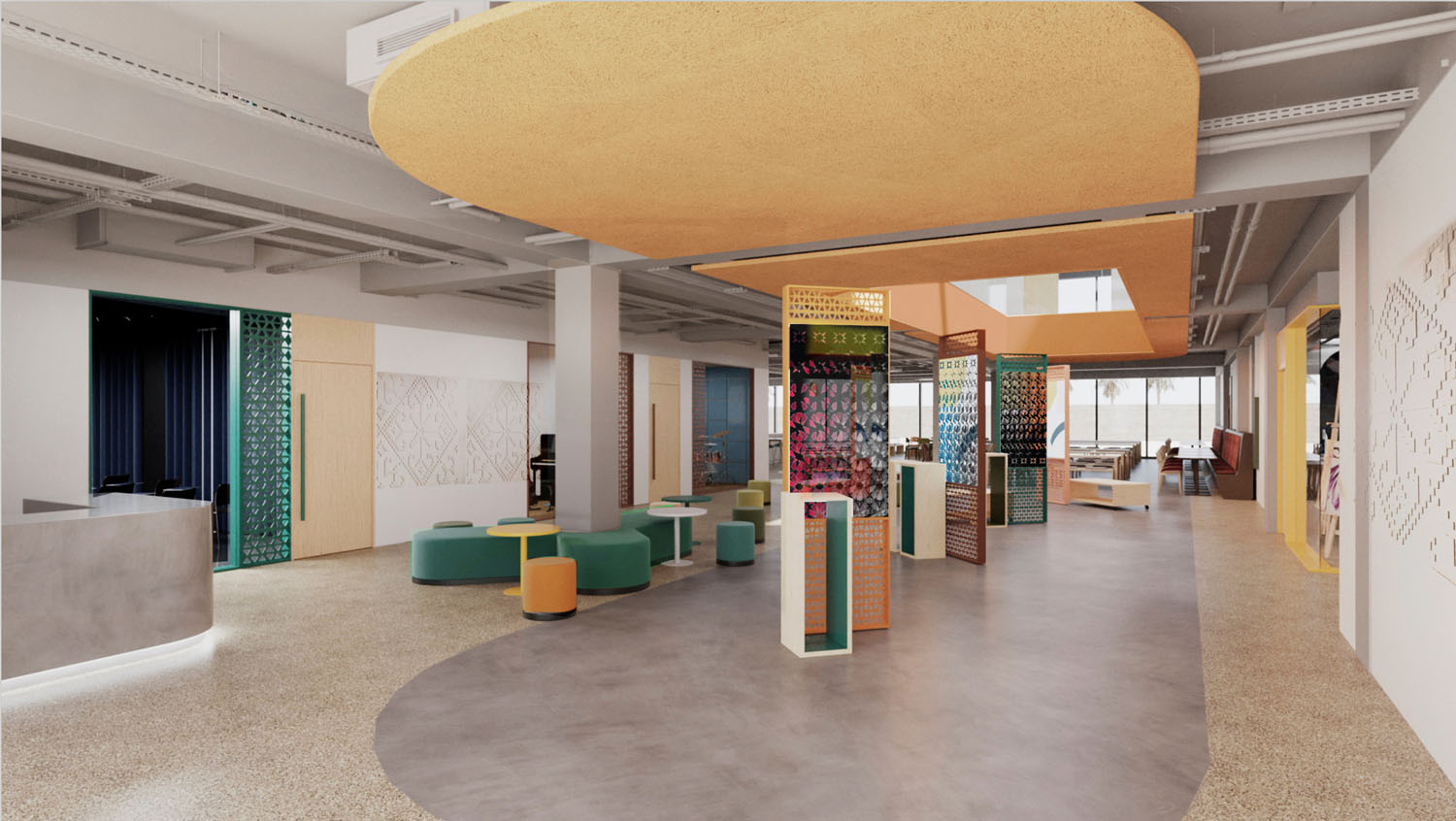
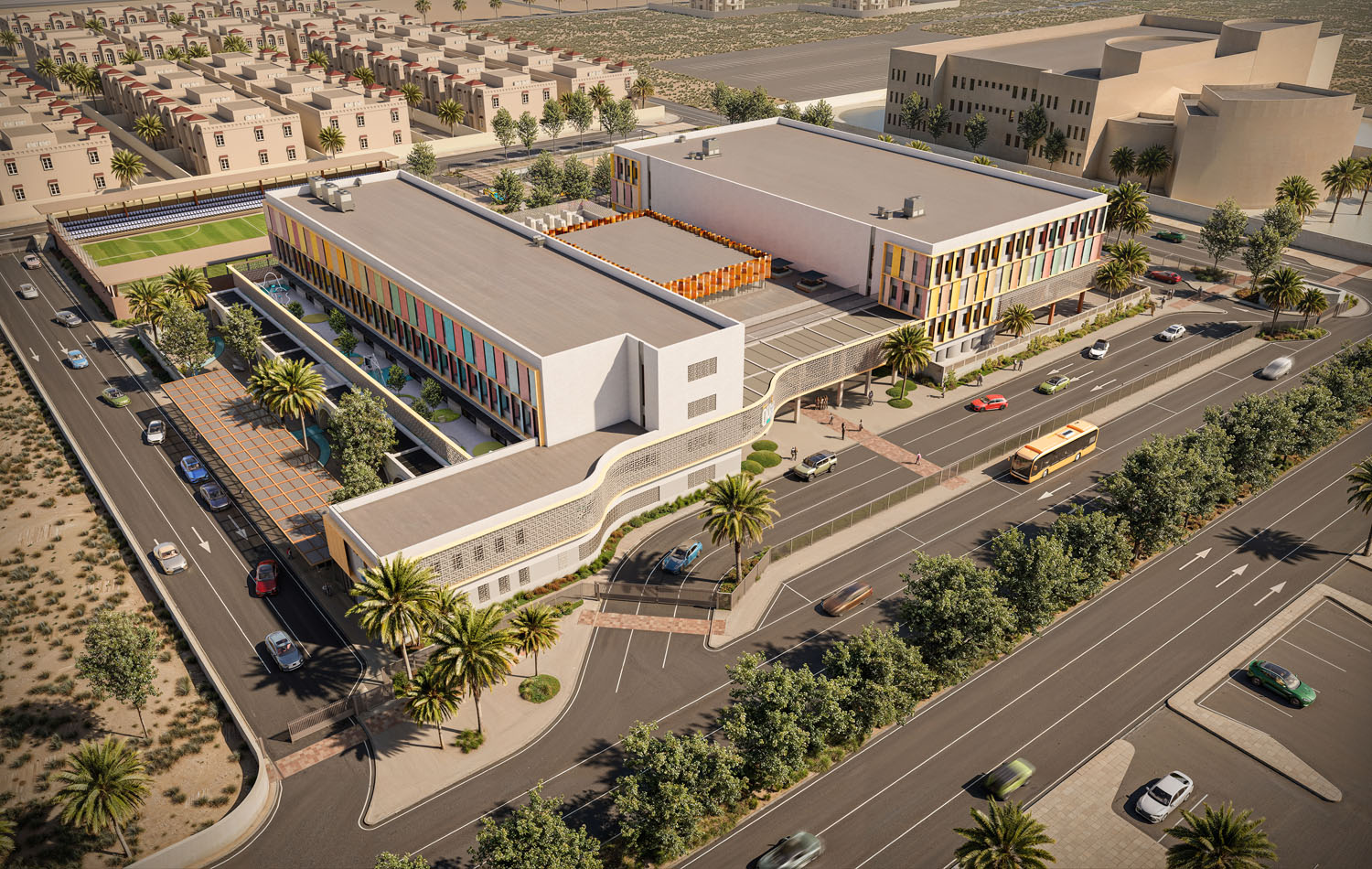
We began by shaping the campus around how students would move, gather and retreat throughout the day. Working with the team at Kampus, we developed a village-like structure, organising the school into clear clusters connected by shaded routes and shared social spaces. This hierarchy helps students understand where they are, reduces sensory overload and creates moments of pause between learning environments.
Proposition | Designing for neurodiversity
The architecture prioritises calm transitions and predictable layouts. Early years spaces are closely linked to shaded outdoor areas, allowing free movement between inside and outside. As students move up the school, spaces become more defined and protected, with layered thresholds that support focus and emotional regulation. Outdoor learning is embedded throughout, not treated as a separate activity.
Proposition | Responding to climate & culture
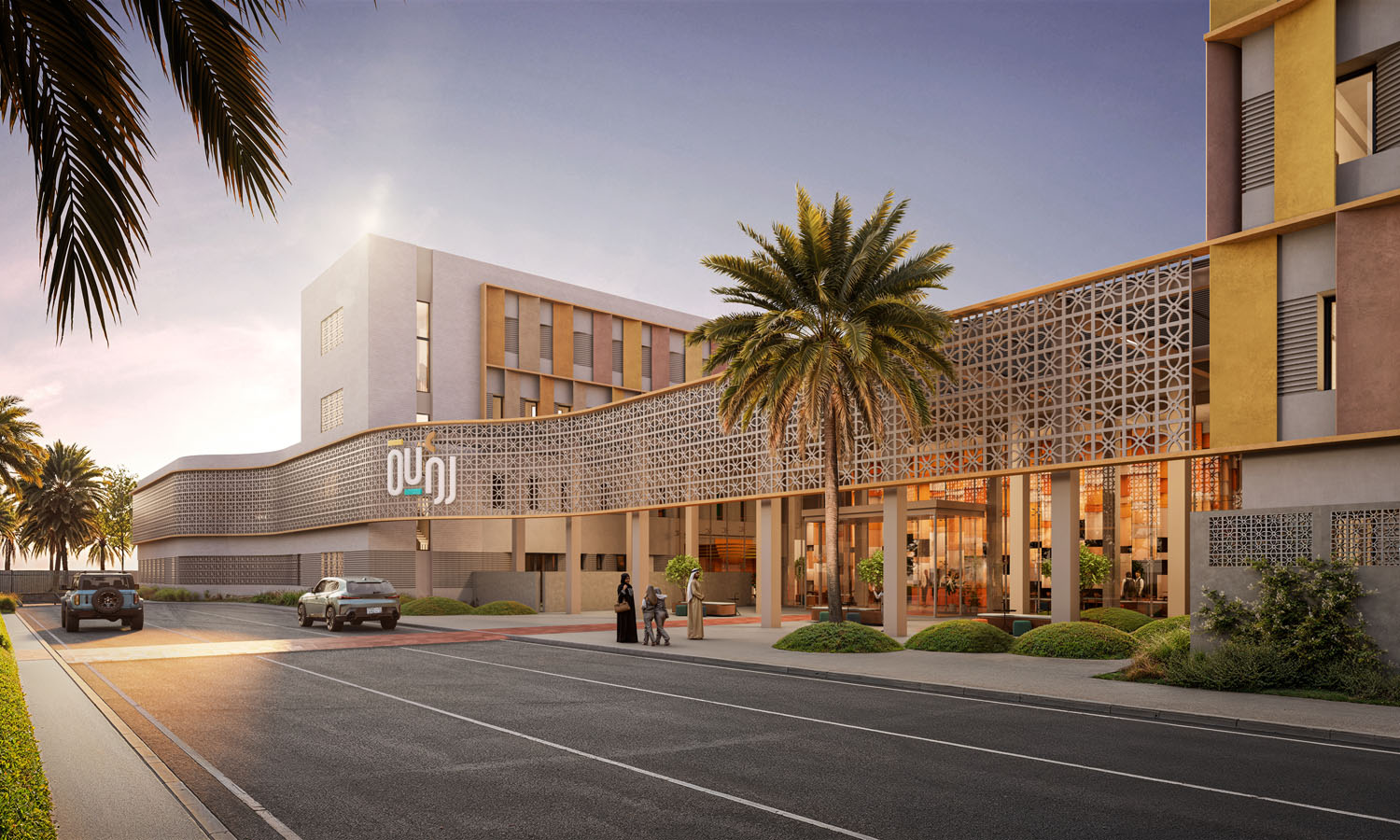
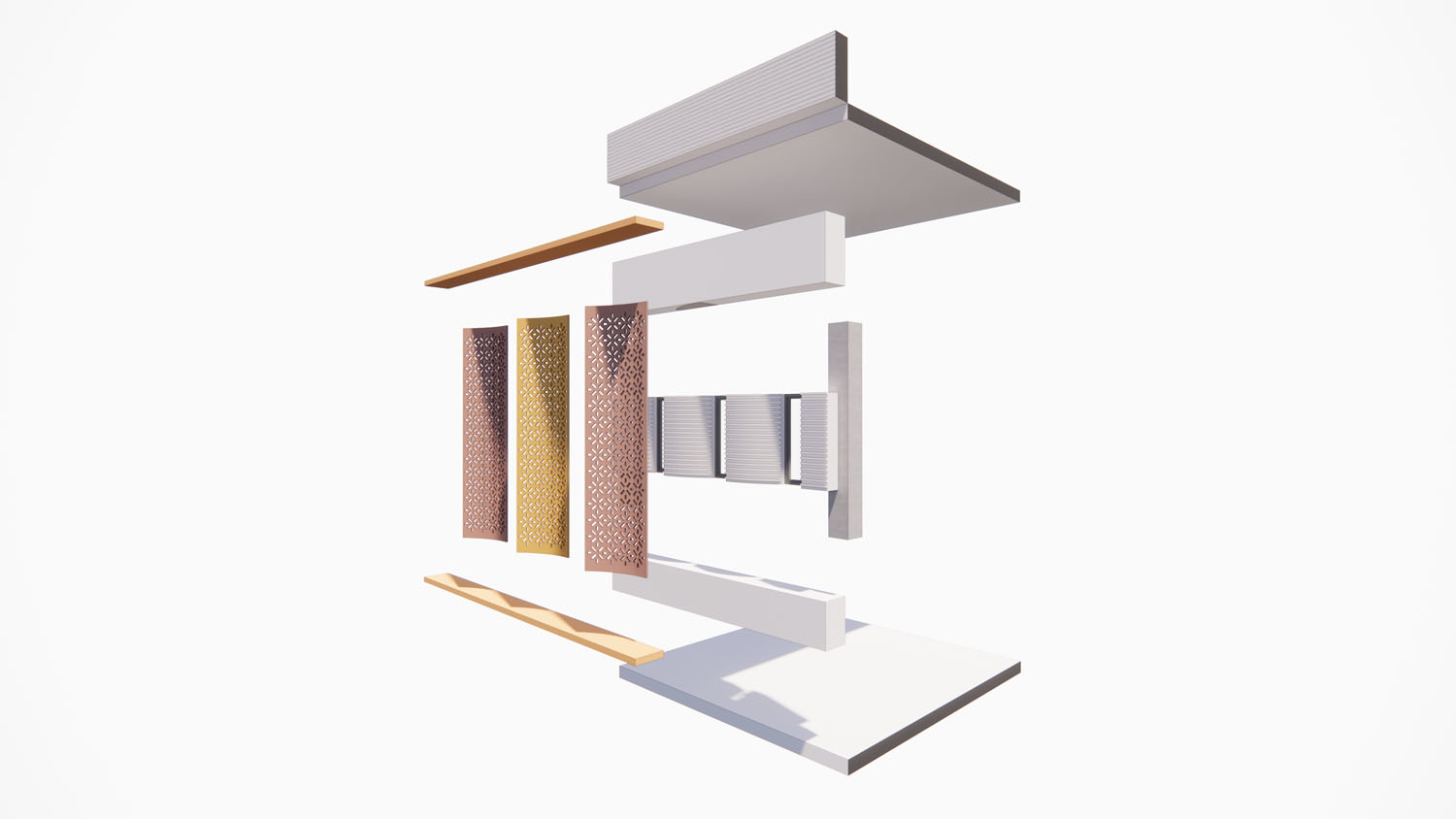
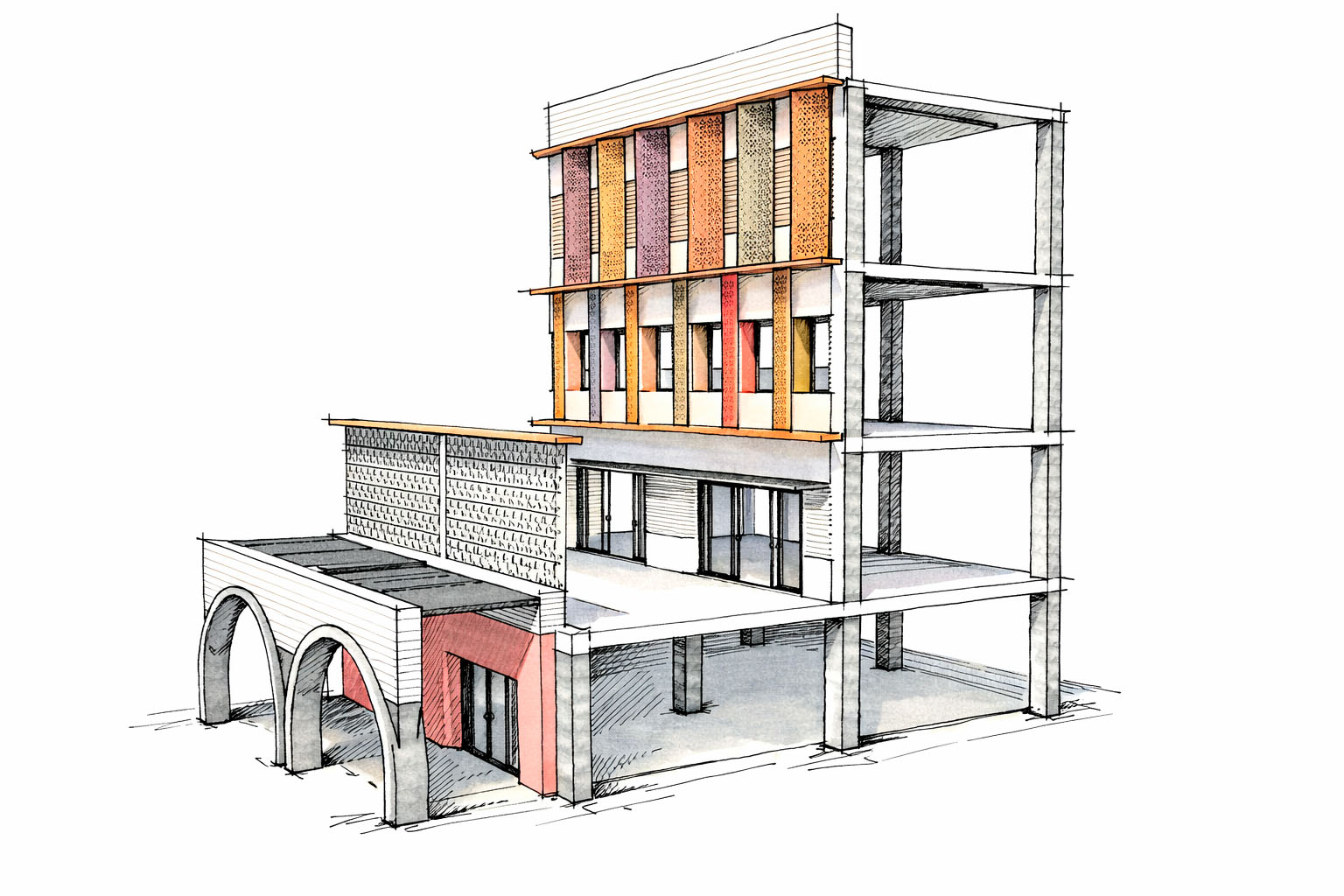
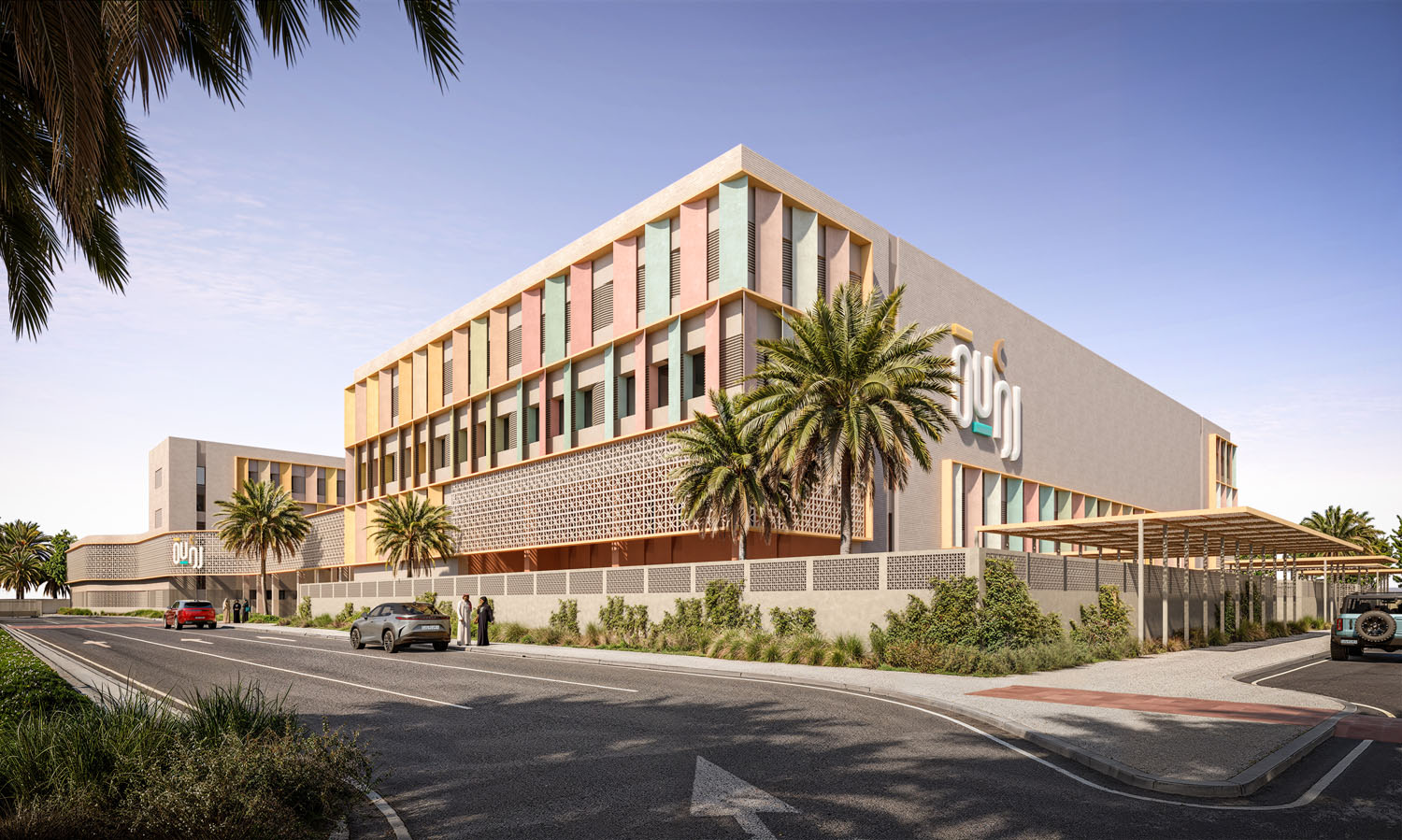
We developed the building envelope as a robust, climate-responsive system. The high thermal mass construction helps stabilise internal temperatures, while deep shading protects learning spaces from direct sunlight. A unifying façade screen wraps the campus, drawing on the logic of traditional Jeddah mashrabiya. This approach provides privacy, allows filtered daylight and encourages natural ventilation, all while giving the school a strong civic presence.
Proposition | Material and façade strategy
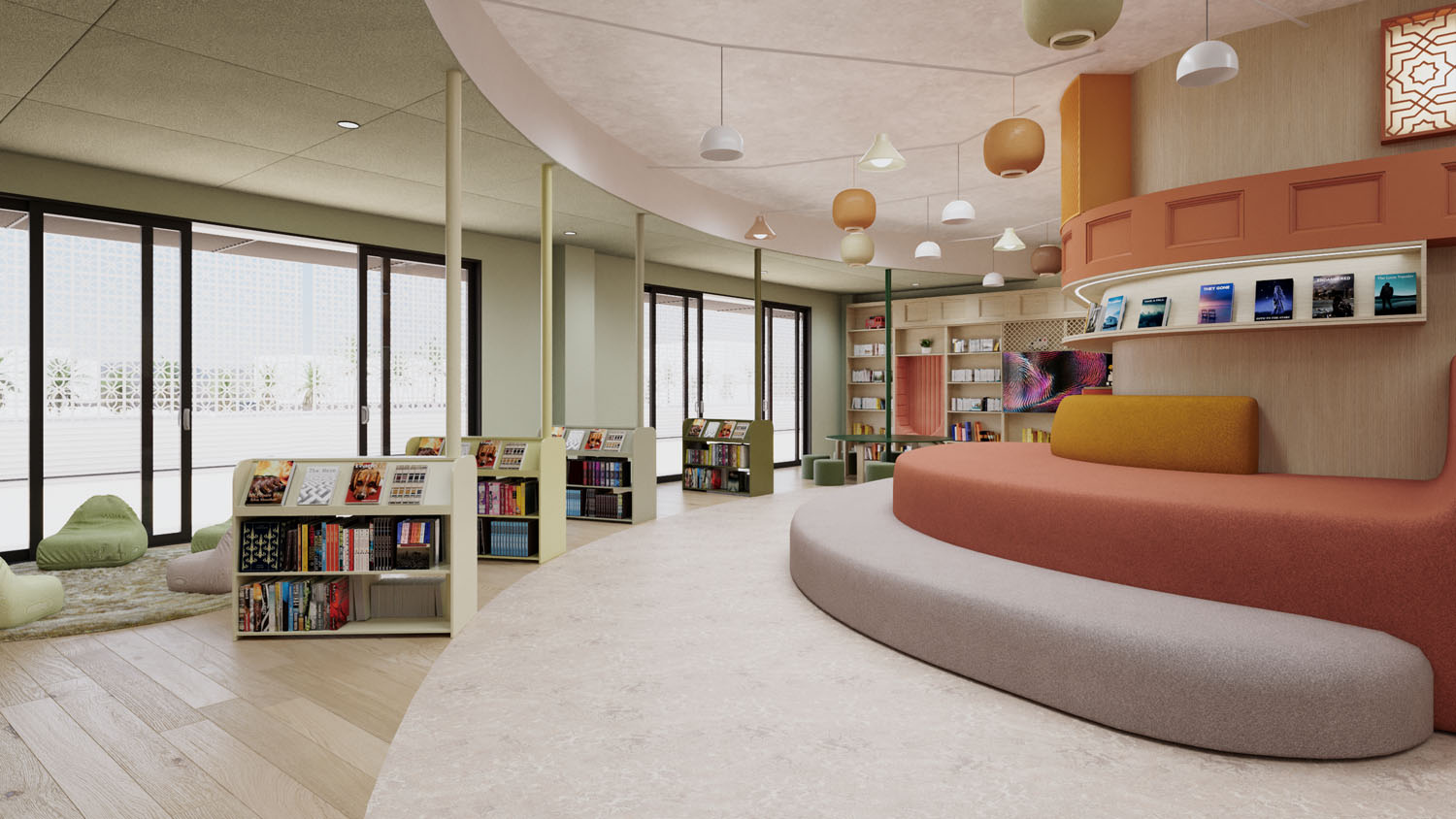
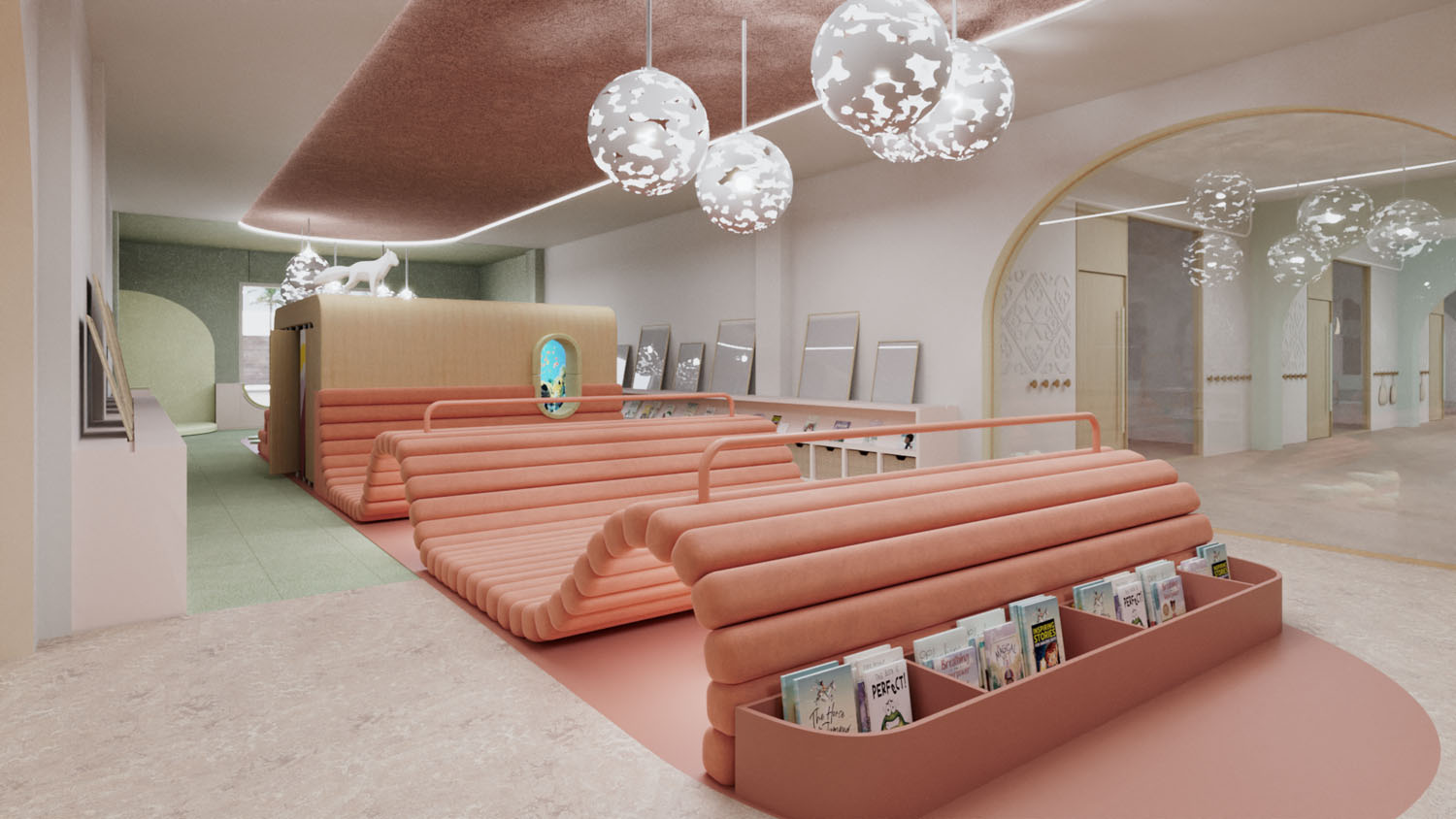
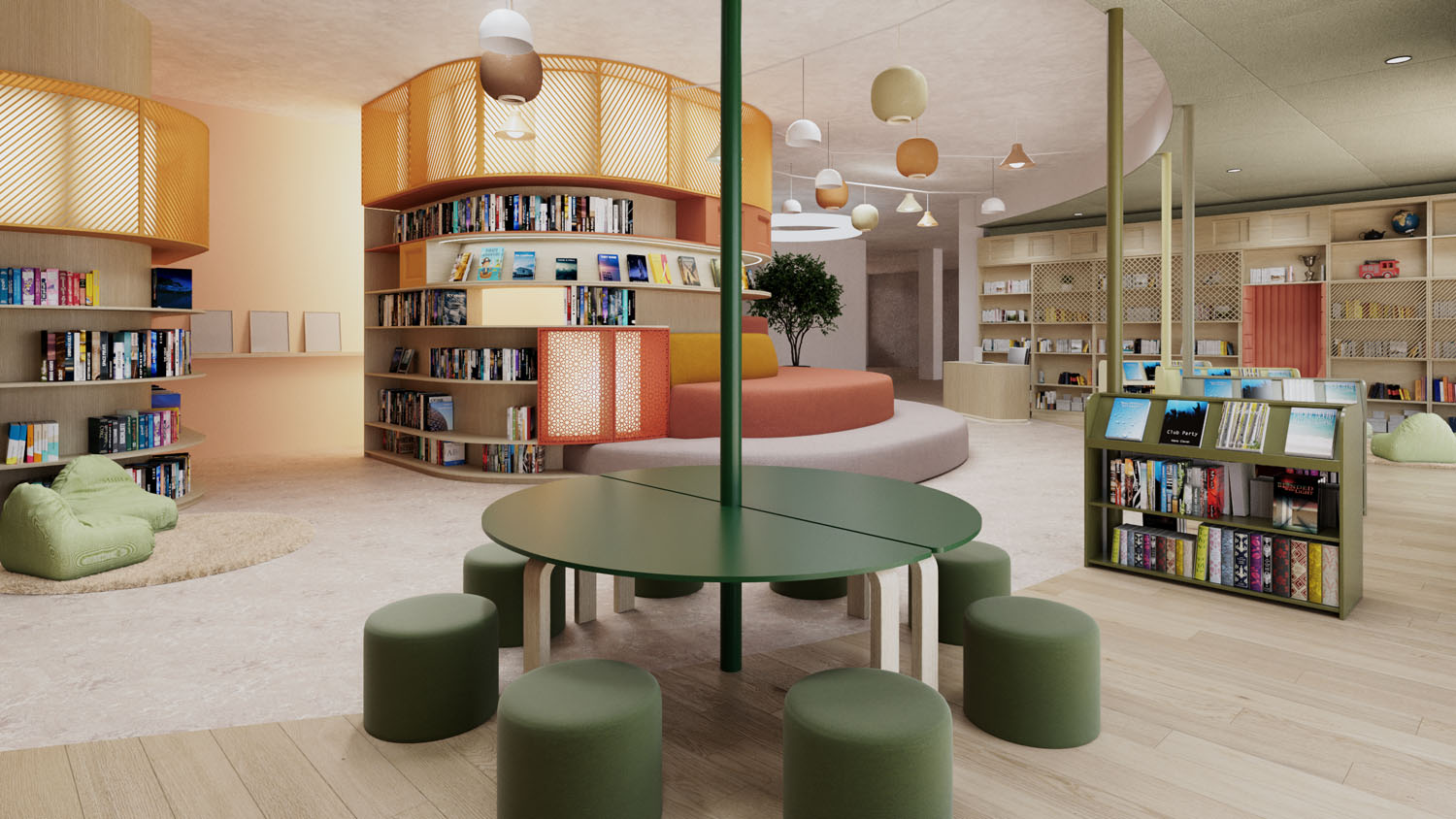
Rather than relying on applied colour or branding, we explored how form, depth and pattern could express the school’s identity. The façade works as a layered system, with structure, shade and enclosure combined into a single architectural language. This approach keeps the architecture legible and durable, while allowing moments of colour and playfulness within protected internal courtyards and shared spaces.
Outcomes so far
- A clear experience-led campus structure suited to neurodiverse learners
- A climate-responsive architectural concept rooted in local traditions
- A robust façade and shading strategy that balances privacy, comfort and identity
- A design framework that can be delivered efficiently by a local team
Conclusion | Why it matters
The successful design of this project was all about bringing inclusive design, climate response and cultural understanding together without compromise. We started with experience and behaviour rather than form, which empowered us to design a campus that supports students emotionally as well as academically. It shows that designing for neurodiversity benefits everyone, and that thoughtful architecture can make demanding environments feel generous and supportive.
Reflections
The experience framework we developed for Jeddah is great example of our work on international school projects in challenging climates. The lessons we learn around sensory design, shading and campus hierarchy are now being applied to our masterplans in the Middle East and beyond.
Our Manifesto
Our ambition is to devise and nurture solutions to global problems and make sustainable places for everyone.